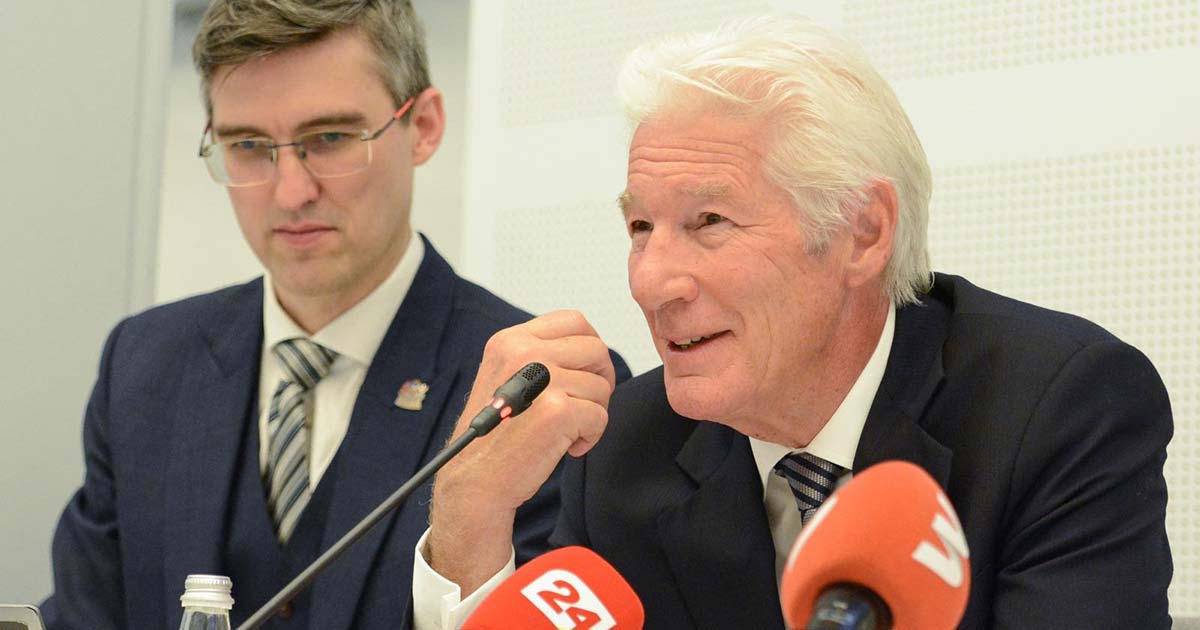
A joint declaration signed in Riga urges coordinated European action to defend Tibetan rights, protect cultural identity, and uphold freedom in the face of growing repression.
Europe’s commitment to human rights is measured not only by the values it proclaims, but by the actions it takes when those values are challenged.
This was the central message emerging from the conference held in Riga, where parliamentarians from Latvia, Lithuania, and Estonia joined Richard Gere, Chair of the International Campaign for Tibet (ICT), founder and Co-Chair of The Gere Foundation, civil society representatives, and international advocates to reaffirm their support for the Tibetan people.
Hosted by Latvian Member of Parliament Juris Viļums, the gathering concluded with a Joint Tibet Declaration calling for stronger European coordination on Tibet, renewed political leadership, and a united response to the growing threats facing Tibetan identity, culture, and religious freedom.
For The Gere Foundation, the event reflects a belief that has guided our work for decades: lasting change begins when governments, institutions, and citizens choose to stand together in defence of human dignity.
A Shared European Responsibility
The declaration, initially signed by eighteen members of parliament from Latvia, Lithuania, and Estonia, calls on European institutions and national governments to strengthen their commitment to Tibet through coordinated action.
Among its principal recommendations are the creation of a European Union Special Representative for Tibet, stronger parliamentary engagement across Europe, and renewed support for the Tibetan people’s right to preserve their identity, culture, language, and religious freedom.
The declaration also urges European governments to respond firmly to China’s new Law on Ethnic Unity and Progress, legislation that many international observers believe accelerates policies of forced assimilation affecting Tibetans, Uyghurs, Mongolians, and other communities.
Rather than acting individually, the declaration argues that Europe must respond collectively.
Because when democratic nations speak with one voice, they strengthen their ability to defend universal human rights.
Richard Gere: “People Are Not Asking for Special Treatment. They Ask for Dignity.”
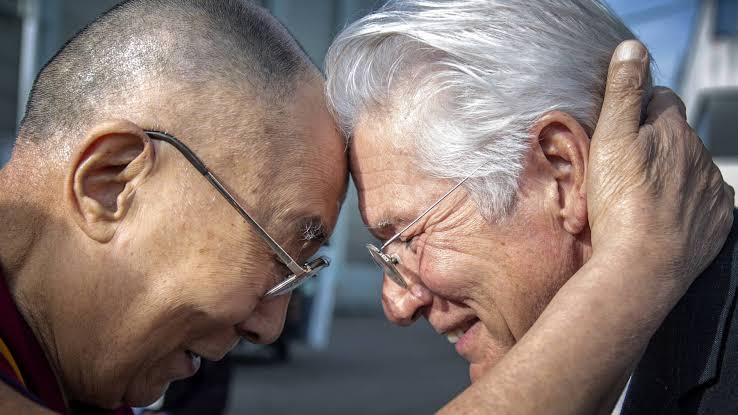
For more than four decades, Richard Gere has been one of the world’s most committed advocates for the Tibetan people.
His relationship with Tibet goes far beyond public advocacy.
It is rooted in friendship, spiritual conviction, and a deep belief in the universal value of compassion and human dignity.
Addressing parliamentarians in Riga, Gere reminded participants that the Tibetan cause is fundamentally about human rights.
“People are not asking for special treatment. They ask for dignity, for cultural survival, and for the right of a people to determine their own future.”
He also reflected on the unique historical experience shared by the Baltic nations.
Like Tibet, Latvia, Lithuania, and Estonia have experienced attempts to suppress their language, culture, and national identity.
For Gere, that shared history creates a powerful moral connection.
“History teaches us that cultures survive because people refuse to surrender.”
His message was clear.
Protecting Tibet is not only about defending one people.
It is about defending the universal principles of freedom, cultural diversity, and religious liberty.
Why Europe Matters
One of the strongest messages delivered in Riga was the need for greater European coordination.
Richard Gere encouraged national parliaments to support the creation of a European Union Special Representative for Tibet, arguing that coordinated diplomacy strengthens Europe’s ability to defend human rights.
As he explained,
“When Europe speaks with one voice, Beijing cannot isolate countries one by one.”
The proposal reflects a growing recognition that international cooperation is essential to addressing global human rights challenges.
The conference also encouraged national parliaments across Europe to adopt resolutions condemning China’s new legislation before it enters into force, reinforcing the position already expressed by the European Parliament.
A Cause That Belongs to All of Us
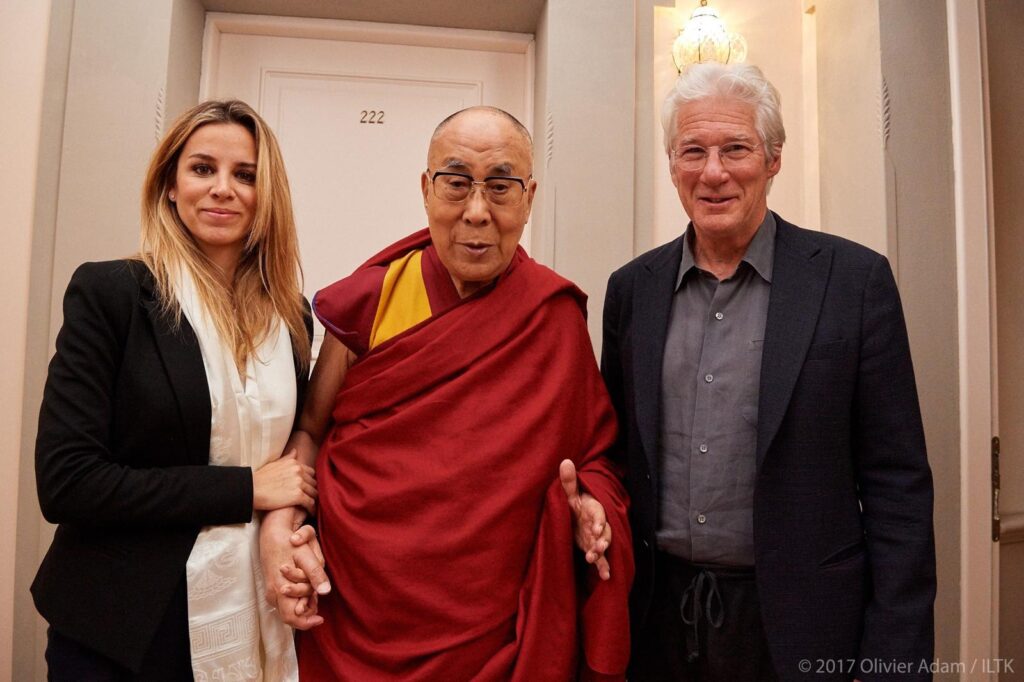
For The Gere Foundation, supporting Tibet has never been solely about preserving a unique culture.
It is about defending the fundamental rights that belong to every human being.
The right to preserve one’s language.
The right to practice one’s religion.
The right to live with dignity.
The right of communities to determine their own future.
These principles continue to guide our work alongside the International Campaign for Tibet and partners around the world.
Because protecting Tibet also means protecting the values that sustain open, democratic societies everywhere.
Standing Together
The conference in Riga was more than a diplomatic gathering.
It was a reminder that solidarity remains one of the most powerful tools for defending freedom.
The Joint Tibet Declaration sends a clear message.
Human rights require leadership.
Leadership requires cooperation.
And cooperation begins when people are willing to stand together.
As Richard Gere concluded,
“Thank you—not simply for your attention, but for your courage in showing up here today.”
At The Gere Foundation, we share that conviction.
Because every voice matters.
Every act of solidarity matters.
And together, we can help ensure that dignity, justice, and compassion continue to guide the future of Tibet.
We Are All In This Together.